When decay or wear undermines a tooth, a dental filling restores its shape, strength, and purpose. Fillings are designed to preserve as much healthy tooth as possible while rebuilding areas that are weak or missing, helping you chew comfortably and keeping your bite aligned. Modern restorative dentistry emphasizes conservative techniques so that repairs are long-lasting without removing more natural structure than necessary.
Tooth decay remains widespread across all age groups, which makes restorative care one of the most commonly performed dental services. Because these procedures are so routine, clinicians can focus on refining each step — from diagnosis and minimally invasive removal of diseased tissue to the selection and placement of a material that suits the tooth’s function and appearance. The result is both reliable performance and a discreet, natural look.
Our approach centers on clear communication and precise care. At Simply Smiles Dental Brooklyn, we explain the reasons for treatment, outline the options that are suitable for your smile, and tailor the plan to your comfort and long-term oral health goals. That focus lets patients make informed choices and trust that their restorations will perform well for years to come.
Humans have sought ways to fix broken and decayed teeth for millennia. Archaeological finds reveal early attempts at dental repair, and over centuries materials and techniques evolved from rudimentary replacements to the sophisticated, biocompatible options available today. Each advance has aimed to improve durability, safety, and how natural the repair looks.
The last 150 years brought dramatic change: metals like gold and amalgam offered robust performance, while the last several decades introduced adhesive, tooth-colored materials that bond directly to enamel and dentin. These innovations shifted dentistry toward restorations that preserve more tooth structure and blend seamlessly with the smile, allowing treatment that is both functional and attractive.
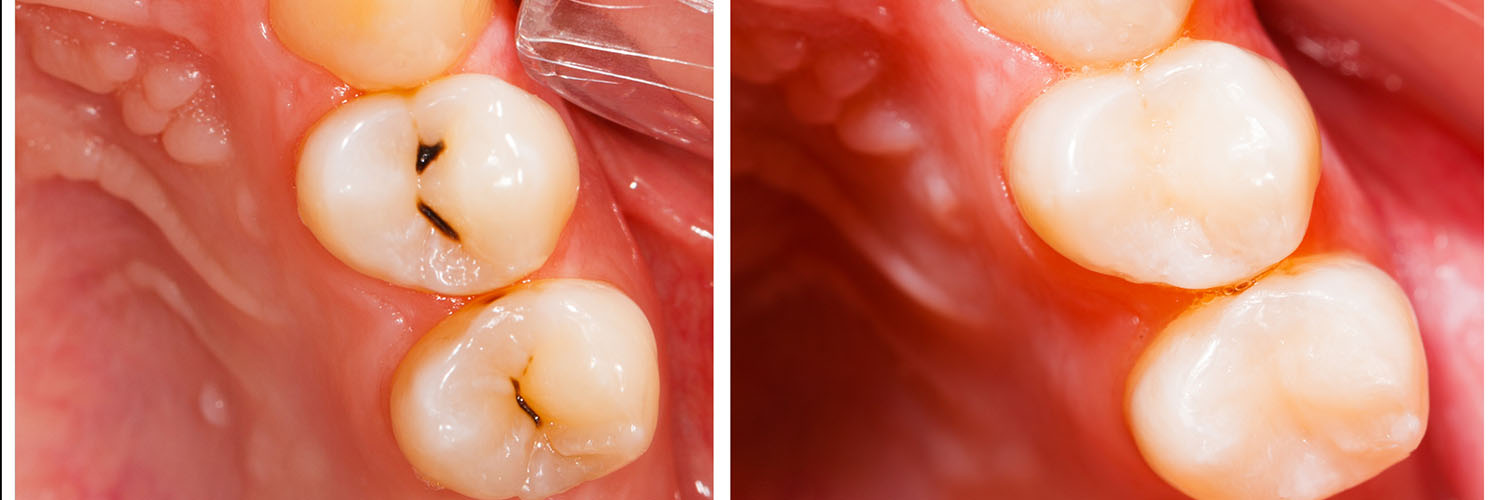
Not every tooth or cavity is the same, so clinicians choose restorative materials based on the location of the tooth, the extent of decay, aesthetic needs, and functional demands. A back molar that endures heavy chewing forces may call for a different solution than a small bitewing cavity on a front tooth where appearance matters most. Selecting the appropriate material balances longevity with natural appearance.
Tooth-colored composites and modern ceramics have made it possible to match restorations to surrounding enamel, even under close inspection. These materials also bond to the tooth, offering additional reinforcement. Meanwhile, traditional options like amalgam still provide durable performance in high-stress areas. Understanding the properties of each choice helps patients and clinicians make decisions suited to individual needs.
We’ll discuss the practical trade-offs of each option and how they relate to your oral health goals. In some cases a simple composite filling will be ideal; in others, an indirect restoration such as an onlay or a ceramic inlay may offer better long-term results by covering more of the damaged surface while preserving healthy tooth where possible.
Composite resins are tooth-colored materials made from a blend of resin and fine glass or ceramic fillers. They are available in shades that closely match natural enamel and can be sculpted directly in the mouth to restore both form and function. Because composites bond to the tooth structure, they often require less removal of healthy tissue and can help strengthen the repaired area.
Composites are versatile: they repair cavities, restore chipped edges, and are commonly used for aesthetic bonding. They can be susceptible to staining over time and may wear sooner than ceramics in very heavy bite situations, so regular checkups help determine when maintenance or replacement is warranted.
Dental amalgam — a silver-colored alloy — has a long track record of strength and durability, especially in posterior teeth that experience high chewing forces. Amalgam withstands wear and is less likely to fracture under heavy loads, making it a practical option in specific circumstances.
While not favored for visible front teeth due to its color, amalgam remains a serviceable choice where longevity under stress is the primary concern. Your clinician can explain when amalgam remains a reasonable solution and when alternative materials offer advantages.
Glass ionomer materials bond chemically to tooth structure and slowly release fluoride, which can help protect the tooth from further decay. Because of their chemical adhesion and fluoride release, they’re often used where moisture control is difficult, for cavities near the gumline, or for pediatric care.
Glass ionomers are generally less wear-resistant than composite or ceramic materials, so they are used selectively — either as a long-term solution in low-stress areas or as an interim restoration while a more durable repair is prepared.
Ceramic restorations are crafted outside the mouth and then bonded into place. These indirect restorations are highly wear- and stain-resistant and can reproduce tooth anatomy with excellent aesthetics. When a cavity is too extensive for a simple filling but a full crown isn’t necessary, an onlay or inlay can restore strength while conserving tooth structure.
Because they are fabricated in a lab or milled chairside, ceramics deliver a precise fit and superior surface properties. They are a common choice when durability and a seamless appearance are priorities.
Gold remains one of the most durable and biocompatible restorative materials. Although less commonly used today because of its cost and metallic appearance, gold offers reliable performance and a long clinical record of success. It’s gentle on opposing teeth and maintains dimensional stability over many years.
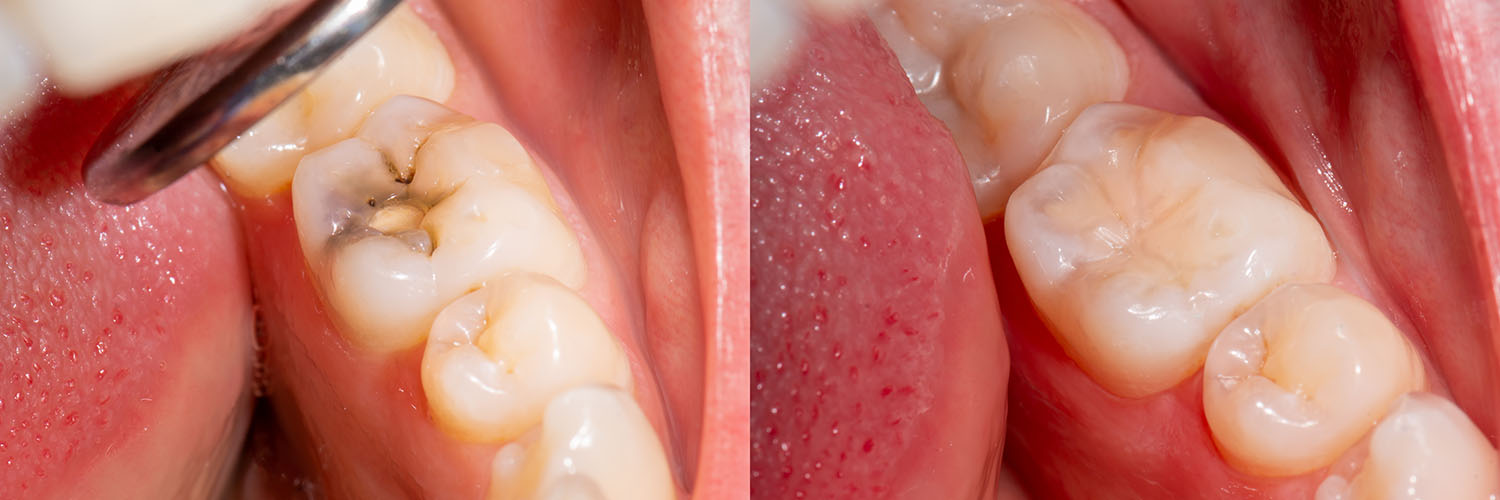
When we detect decay, the first step is a careful assessment to determine how much tooth is affected and which approach will deliver the best outcome. That assessment can include visual exam techniques, digital radiographs, and discussion about any symptoms you may have experienced. From there, we propose a treatment plan that prioritizes tooth preservation and function.
On the day of treatment, local anesthesia is usually used so you remain comfortable while the tooth is prepared. The dentist removes decayed tissue and any compromised enamel or dentin, then shapes the cavity to receive the chosen material. Minimally invasive instruments — including high-speed handpieces, air abrasion, or dental lasers — may be used depending on the situation and patient preference.
Placement varies with the material selected. Direct restorations like composite resins and glass ionomers are placed and shaped in a single visit. Indirect options such as ceramic inlays or onlays typically require two visits: an initial appointment to prepare and capture impressions or scans, and a follow-up appointment to bond the fabricated restoration into place. Throughout, the clinician verifies fit, checks your bite, and adjusts as needed to ensure comfort and function.
After a filling is placed, it’s normal to notice temporary sensitivity to temperature or pressure; this usually settles within a few days as the tooth adapts. If you experience persistent pain, increased sensitivity, or a change in bite comfort, contact the office so we can assess and make any necessary adjustments. Early follow-up helps prevent small issues from becoming larger concerns.
Protecting your restoration depends on consistent oral hygiene and routine dental care. Brushing twice daily with fluoride toothpaste, flossing, and attending regular cleanings and exams help reduce the risk of future decay at the margins of restorations. Avoiding habits such as chewing ice, biting hard objects, or using teeth as tools will also prolong the life of fillings.
With proper care, modern restorative materials can provide many years of reliable service. However, no restoration is permanent; wear, recurrent decay, or injury can necessitate repair or replacement. Regular dental visits allow us to monitor restorations, catch recurrent decay early, and recommend the most appropriate next steps when maintenance is needed.
Choosing the right restoration is a collaborative process. We weigh the health of the tooth, your lifestyle, aesthetic goals, and any functional demands to recommend an approach that fits your needs. Whether the priority is an invisible front-tooth repair or a robust posterior restoration, the goal is always a durable result that integrates smoothly with your smile.
Our team takes time to explain the reasons behind each recommendation and to answer questions about longevity, maintenance, and what to expect during recovery. A clear plan makes treatment predictable and reduces uncertainty so you can move forward with confidence.
To discuss whether a filling or another restorative option is right for you, contact our office to arrange a consultation. We’ll review your exam findings, explain choices in plain language, and help you understand the path to a healthy, comfortable smile.

If the pleasure of eating a delicious bowl of ice cream or sipping a soothing cup of tea gets overshadowed by dental pain that makes you wince; it's time to contact our office. As skilled providers of care, we'll determine what's causing your discomfort and perform the treatment required to alleviate your symptoms and get you back on the road to oral health.
Cavities develop because of an infectious process that causes progressive damage to tooth structure. Despite starting as a pinpoint defect on the outermost enamel layer of your tooth, untreated dental decay progressively compromises more and more healthy tooth structure as it works its way to the inner layers of your tooth.
Yes, you can still develop tooth decay on other surfaces of the tooth, around the margins of an old filling, or in fewer instances, recurrent decay underneath it. For this reason, it's essential to maintain excellent oral hygiene, a diet low in sugary beverages and sweets, and be sure to visit our office for routine checkups and care. While tooth decay is second only to the common cold in frequency, it's almost entirely preventable.
We value the time and comfort of our patients. If cavities are located on adjacent teeth, or in the same section of your smile, it may be possible to treat more than one tooth during your visit. However, how much is done each visit depends on several factors. We keep our patients well informed and tailor every treatment plan and visit to address their unique needs.
Addressing concerns on the presence of elemental mercury in silver fillings, the American Dental Association (ADA), The Center for Disease Control and Prevention (CDC), the FDA, and the World Health Organization have all stated that amalgam restorations do not pose a risk to health. However, individuals with allergies or sensitivities to the metals in dental amalgam are advised to pursue other restorative options.
Dental fillings are performed under local anesthesia to help ensure your comfort throughout the entire procedure. The involved tooth remains completely numb for the extent of your visit. Within one or two hours after the procedure is completed, the local anesthetic will gradually wear off, and normal sensations return.
A tooth-colored composite filling is fully hardened and set by the end of your visit. However, we may advise you to wait a couple of hours until the local anesthesia has completely worn off. This advice is to help ensure you don't accidentally bite your lip, cheek, or tongue while still numb.
The lifetime of a dental filling varies depending on the type of material used. While popular dental materials can last a decade or more with proper care, they can degrade over time, wear down, or even break. When this happens, you may experience some tooth sensitivity, a jagged edge, or a loose or dislodged piece of filling material. Whatever the case may be, it's essential to get the filling replaced before the tooth sustains further damage or other consequences arise. Beyond taking good care of your smile to help ensure the longevity of your fillings, our office regularly checks the status of your existing fillings as part of a routine checkup exam.
Dental fillings are an essential investment that serves to preserve and protect the health of your smile. With that said, how much a filling costs depends on the number of surfaces of the tooth involved and the filling material that is used. Amalgam restorations are the most economical. While tooth-colored composite fillings have a slightly higher cost, they offer the added benefits of being metal-free and much more aesthetically pleasing. Ceramic fillings, inlays, and onlays are more expensive than the preceding options but provide outstanding, long-lasting, and natural-looking results.
Dental insurances typically cover the cost of dental fillings. While we work with you to maximize your insurance benefits, there may still be an out-of-pocket expense. At the office of Simply Smiles Dental Brooklyn, we strive to help you begin care without any additional financial stress or delay.
Dental fillings are restorations placed into a tooth to replace damaged or decayed tissue and restore proper shape and function. They preserve healthy tooth structure while rebuilding areas that are weakened or missing, helping maintain comfortable chewing and an aligned bite. Modern fillings aim to be conservative so the repair lasts without removing more natural tooth than necessary.
Fillings are one of the most commonly performed restorative procedures because tooth decay affects many people across age groups. Clinicians focus on precise diagnosis, careful removal of diseased tissue, and selecting a material suited to the tooth’s role and appearance. The result is a durable repair that can blend discreetly with surrounding enamel.
Material selection depends on the tooth’s location, the size and depth of the cavity, aesthetic goals and the functional load the tooth will bear. Posterior teeth that endure heavy chewing may favor more wear-resistant options, while front teeth often benefit from tooth-colored, adhesive materials that match enamel. The clinician balances longevity with a natural appearance and the goal of conserving tooth structure.
Common options include composite resins for direct tooth-colored repairs, glass ionomer cements when fluoride release or moisture tolerance is important, and indirect ceramics or gold for large restorations. Each material has trade-offs in strength, aesthetics and wear characteristics that the dentist will explain. Understanding those trade-offs helps patients and clinicians choose an approach tailored to individual needs.
At the appointment the dentist begins with a careful assessment using a visual exam and, if needed, digital radiographs to determine how much tooth is affected. Local anesthesia is typically used so you remain comfortable while decayed tissue and any compromised enamel or dentin are removed and the cavity is shaped to receive the chosen material. Minimally invasive instruments such as high-speed handpieces or air abrasion may be used depending on the situation and patient preference.
Direct restorations like composite resin or glass ionomer are placed, shaped and cured in a single visit, while indirect options such as ceramic inlays or onlays usually require two visits for fabrication and final bonding. The clinician checks the restoration for fit and occlusion, making bite adjustments as needed to ensure comfort and function. After the procedure the team will review aftercare and signs to watch for as the tooth adapts.
Tooth-colored composite resins and modern ceramics have improved significantly in strength and wear resistance, making them suitable for many restorations that once required metal. Composites bond to tooth structure and provide good aesthetic results, while ceramics offer excellent wear resistance and stain stability for larger indirect restorations. Amalgam still offers proven durability in high-stress posterior areas, but material choice depends on individual circumstances rather than a single universal answer.
Longevity varies by material, the size of the restoration, the patient’s bite forces and oral habits such as clenching or chewing hard objects. Regular monitoring allows the dentist to catch wear or marginal breakdown early and recommend maintenance or replacement when needed. Choosing the appropriate material with a focus on conserving tooth structure often improves long-term outcomes.
The lifespan of a filling depends on the material used, the extent of the original damage, and a patient’s oral environment and habits; many fillings last for years but none are considered permanent. Factors such as bite force, bruxism, diet, oral hygiene and recurrent decay at the margins influence how long a restoration will perform well. Regular dental exams and radiographs help monitor restorations for signs of wear, leakage or recurrent decay.
During routine visits the dentist examines the condition of restorations and checks the bite and surrounding tooth structure. Small problems identified early can often be repaired rather than replaced, which conserves tooth tissue. If a filling shows significant wear, fracture or recurrent decay, the clinician will outline appropriate restorative options to restore function and protect the tooth.
It is common to experience temporary sensitivity to temperature or pressure after a filling as the tooth adjusts, and this usually resolves within a few days to weeks. Sensitivity can result from the removal of decayed tissue, the depth of the cavity close to the nerve, or transient inflammation of the pulp following treatment. Dentists use techniques and materials to minimize sensitivity, and they may recommend desensitizing toothpaste or other remedies if needed.
Persistent or worsening pain, a lingering sharp response to cold, or discomfort when biting can indicate a problem such as high occlusion, cracked tooth structure, or pulp involvement that requires follow-up. If symptoms do not subside or if new symptoms emerge, contact the office so the clinician can assess and make any necessary adjustments or further treatment. Early evaluation helps prevent small issues from becoming larger concerns.
A filling is a direct restoration placed into a prepared cavity and is used when the damage is limited and can be rebuilt chairside. Inlays and onlays are indirect restorations fabricated outside the mouth (in a lab or milled chairside) and then bonded to the tooth; they are chosen when a cavity is too large for a simple filling but a full crown is not necessary. A crown covers the entire visible portion of the tooth above the gumline and is recommended when extensive structure is lost or when additional strength and protection are required.
Inlays and onlays preserve more healthy tooth than a full crown while providing better strength and wear resistance than a large direct filling. The decision among these options depends on the size of the defect, the tooth’s structural integrity, aesthetic considerations and functional demands. Your clinician will explain why one approach may deliver a more predictable long-term result for a given situation.
Immediately after a filling, avoid chewing on the treated side until any local numbness wears off to prevent accidental biting of soft tissues. Maintain a thorough home care routine that includes brushing twice daily with fluoride toothpaste and daily flossing to reduce the risk of recurrent decay at restoration margins. Use gentle techniques if a new restoration feels slightly different until your bite is verified and any adjustments are completed.
Long-term care includes avoiding habits that place excessive force on restorations, such as chewing ice, biting fingernails or using teeth as tools. Attend regular dental checkups so the dentist can monitor restorations and catch early signs of wear or marginal breakdown. If you have concerns about sensitivity, fit or a new sensation around a restoration, contact the office for timely evaluation.
Fillings are routinely used in pediatric dentistry to treat cavities and restore function while preserving tooth structure, and many materials have proven safety records when used appropriately. Glass ionomer cements are often chosen for young children or for cavities near the gumline because they bond chemically to tooth structure and release fluoride, which can help protect the tooth. Composite resins are also used when aesthetics or stronger wear resistance is desired, provided the child can tolerate the placement procedure and moisture control requirements.
The choice of material and technique takes into account the child’s age, cavity size, cooperation level and the expected lifespan of the primary tooth. Pediatric restorations sometimes serve as interim solutions until a permanent tooth erupts, and the dentist will explain the plan and any follow-up needed. Behavior management and minimally invasive options help make treatment comfortable and effective for young patients.
Common signs that a tooth may need a filling include visible pits or holes, staining that suggests decay, sensitivity to sweets or temperature, and discomfort when biting; however, some cavities are detected only on radiographs during an exam. The extent of decay, the amount of remaining healthy tooth structure and any symptoms reported guide the decision between a direct filling, an inlay or onlay, or a crown. Small lesions are often treatable with a filling, while larger defects may require an indirect restoration for long-term strength.
Evaluation begins with a thorough clinical exam and appropriate imaging, followed by a discussion of functional needs and aesthetic goals. At SimplySmiles our clinicians review findings in plain language and recommend a plan that prioritizes tooth preservation and predictable performance. If you have concerns about a specific tooth, schedule an evaluation so the care team can recommend the most appropriate restorative option.
Quick Links
Contact Us